Science

How Carbon Nanotubes Can Modify Plant DNA

  Genetically modified plants have existed for many years, but the processes used to make the modifications are surprisingly inefficient. Researchers at the University of California Berkeley have developed a technique that could make plant genetics considerably more precise. Rather than the “spray and pray” approach, scientists might soon be …

Read More »

Extremely Rare Sesquizygotic Twins Identified in Australia

Twins are traditionally classified as monozygotic (identical) or dizygotic (fraternal). Monozygotic twinning results in genetically identical individuals, whereas dizygotic twins share approximately 50% of their DNA sequence identity, as do full siblings. Sesquizygosity is a third form of twinship, in which individuals share between 50% and 100% of genetic identity. …

Read More »

Icefish Genome Reveals Adaptations to Extreme Antarctic Environments

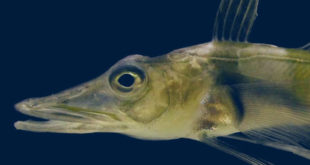
A multinational team of researchers has successfully sequenced the genome of the Antarctic blackfin icefish (Chaenocephalus aceratus), opening a genetic window on fish that evolved over the last 77 million years to survive in extreme Antarctic temperatures. The Antarctic blackfin icefish (Chaenocephalus aceratus). Image credit: Thomas Desvignes. Antarctic icefishes are …

Read More »

Injectable Nanoparticles Give Mice Infrared Vision

Humans and other mammals are limited to seeing a range of wavelengths of light called visible light, which includes the wavelengths of the rainbow. But infrared radiation, which has a longer wavelength, is all around us. People, animals and objects emit infrared light as they give off heat, and objects …

Read More »
Bizwhiznetwork Consultation