Science

Eggs of Non-Avian Dinosaurs Took 3-6 Months to Hatch

Non-avian dinosaur eggs took a long time to hatch — between 3 and 6 months, according to new research on the teeth of fossilized dinosaur embryos. Herds of female titanosaurs gathered at traditional nesting grounds 80 million years ago in what is now Patagonia, Argentina. Image credit: Luis Rey / …

Read More »

Researchers Discover Off-Switch for CRISPR-Cas9 System

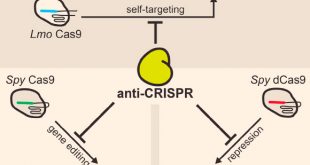
A team of scientists at the University of California, San Francisco, has discovered a way to inactivate the CRISPR-Cas9 gene-editing system using newly identified bacteriophage proteins. The study was published on Dec. 29 in the online edition of the journal Cell. Four newly identified CRISPR-Cas9 inhibitor proteins encoded by Listeria …

Read More »

First Hologram Video Player to Show Your Organs

A team of researchers in the UK is developing an interactive holographic video created from an MRI or CT scan that can display live footage of internal organs in front of a user where features can be rotated, enlarged, and isolated. Popping in to your local hospital may be much …

Read More »

Researchers Say Gut Microbiota Affects Our Physiology

An international team of researchers from Spain and the UK has found that the protein TLR2 (Toll-like receptor 2) — a critical detector of the microbiota found in the intestine — regulates levels of serotonin, a neurotransmitter intimately connected to the brain’s regulation of appetite, sleep, and mood. Escherichia coli, …

Read More »

New Estimate: There are Over 18,000 Bird Species on Earth

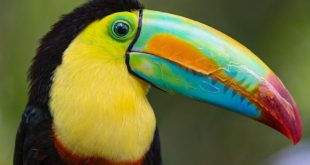
A new study published in the journal PLoS ONE suggests that there are 18,043 bird species in the world — nearly twice as many as previously thought. Toucan. Image credit: Tambako the Jaguar / CC BY-ND 2.0. Birds (class Aves) are traditionally thought of as a well-studied group, with more …

Read More »
Bizwhiznetwork Consultation