Science

Study Sheds New Light on Peopling of Tibet

A new analysis of Chusang, an archeological site on the high-altitude Tibetan Plateau, suggests that permanent residents may have set up camp thousands of years sooner than previously thought. These fossilized human footprints near Chusang, Tibet, were made between 13,000-7,400 years ago, according to a new analysis. Image credit: Mark …

Read More »

Novel Drug Reduces Spread of Melanoma by 90%

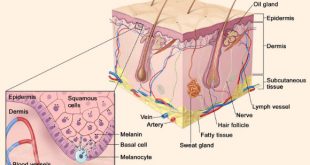
A team of scientists at Michigan State University has discovered that a potential new drug, called CCG-203971, reduces the spread of melanoma cells by up to 90%. The findings are published in the journal Molecular Cancer Therapeutics. Melanoma is a disease in which malignant cells form in melanocytes. Image credit: …

Read More »

Researchers: Electrons ‘Puddle’ under High Magnetic Fields

A team of materials scientists and physicists from the DOE’s Argonne National Laboratory, the National High Magnetic Field Laboratory and the National Institute of Standards and Technology has discovered a way to confine the behavior of electrons by using extremely high magnetic fields. The team’s results are published in the …

Read More »

New Antibiotic to Fight Gonorrhea Developed

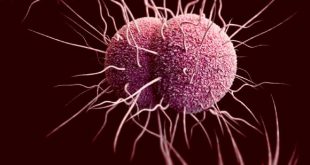
A team of researchers at the University of York, UK, has harnessed the therapeutic effects of carbon monoxide-releasing molecules to develop a new antibiotic which could be used to treat gonorrhea, a sexually transmitted disease caused by Neisseria gonorrhoeae bacteria. This illustration depicts a 3D computer-generated image of a number …

Read More »

2016’s most talked-about research papers

DOIs, or Direct Object Identifiers, are fantastically useful little strings of text that serve to uniquely identify research papers, so that no matter what database you’re querying and no matter what paper you’re linking to, you’ll get the right thing back. Unlike books in a library, which can have later …

Read More »

New Experimental Antibiotics Show Promise against MRSA

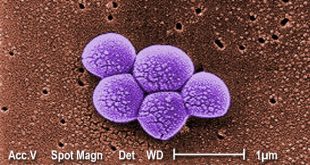
New experimental antibiotics developed by chemists at the University of Connecticut successfully treat methicillin-resistant Staphylococcus aureus (MRSA) infections. The success is due to their strategy, which found a weakness and exploited it in a way the bacteria should have trouble countering. Stephanie M. Reeve et al. identified two plasmid-borne genes …

Read More »

Can the conflict between dark matter and gravity be resolved?

Dutch string theorist Dr. Erik Verlinde insists on saying gravity doesn’t exist. The good professor clearly does not believe that if he stops holding onto his briefcase, it will do anything other than fall. But he definitely believes we’re thinking of it all wrong. And if it turns out he’s right, …

Read More »
Bizwhiznetwork Consultation