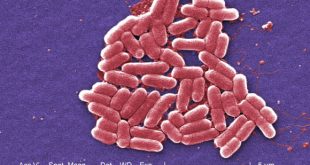
An international team of researchers from Spain and the UK has found that the protein TLR2 (Toll-like receptor 2) — a critical detector of the microbiota found in the intestine — regulates levels of serotonin, a neurotransmitter intimately connected to the brain’s regulation of appetite, sleep, and mood. Escherichia coli, …
Read More »Researchers Discover Biological Marker for Concussion
According to new research published in the journal Scientific Reports, the secret to reliably diagnosing concussions lies in the brain’s ability to process sound. Kraus et al show that children who sustained a concussion exhibit a signature neural profile. Image credit: Pete Linforth. “Concussions — diffuse, non-penetrating brain injuries following …
Read More »Compound Found in Chinese Medicinal Herb Fights Mycobacterium tuberculosis
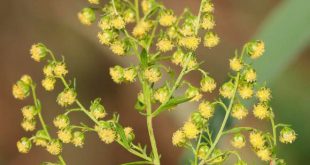
Artemisinin, a natural compound from the sweet wormwood (Artemisia annua), has been found to potentially aid in the treatment of tuberculosis. The study was led by Michigan State University researcher Robert Abramovitch and was published recently in the journal Nature Chemical Biology. Artemisinin is derived from the sweet wormwood (Artemisia …
Read More »Mesentery: Researchers Reclassify Part of Digestive System as Organ
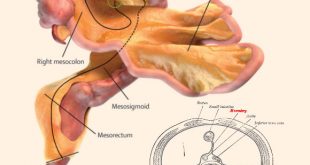
The mesentery, which connects the intestine to the abdomen, had for hundreds of years been considered a fragmented structure made up of multiple separate parts. However, new research by University Hospital Limerick scientists found the mesentery is one, continuous structure. Digital representation of the small and large intestines and associated …
Read More »Hot Pepper Compound Inhibits Growth of Breast Cancer Cells
Capsaicin, a compound found in peppers of the genus Capsicum, inhibits the growth of breast cancer cells, according to a team of researchers in Germany. Capsaicin is found in Capsicum peppers. Image credit: Hans Braxmeier. The team’s experiments were carried out with the SUM149PT cell culture, a model system for …
Read More »Vitamin D Improves Gut Microbiota, Study Finds
According to a study published in the journal Frontiers in Physiology, extra vitamin D can restore good bacteria in the gut, giving hope in the fight against risk factors for diabetes and heart disease. According to Danmei Su et al., vitamin D improves gut flora. Image credit: Richard Stockton College …
Read More »Groundbreaking fMRI study finds 4 distinct neurological subtypes of depression
New research from Weill Cornell has isolated four distinct neurotypes of depression. But its knock-on effects are much wider in scope. The work establishes biomarkers for depression, and it sheds new light on the physical underpinnings of psychological disease. The study captured fMRI brain scans from more than a thousand …
Read More »Alcohol Consumption Associated with Increased Risk of Melanoma
A study by researchers at Harvard Medical School, Indiana University and Brown University reports an association between higher alcohol intake and incidence of invasive melanoma in white men and women. White wine carried the most significant association, and the increased risk was greater for UV-protected parts of the body. Andrew …
Read More »Study: Extremely Low-Oxygen Environment Leads to Heart Regeneration in Adult Mice
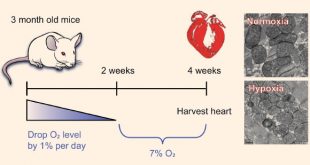
An international team of scientists from Japan, UK and the United States has been able to regenerate heart muscle by placing adult mice in a low-oxygen environment. Schematic of gradual induction of severe hypoxemia. Image credit: Yuji Nakada et al, doi: 10.1038/nature20173. The team, led by University of Texas Southwestern …
Read More »New Study Spotlights Brain Region Responsible for Placebo Response in Pain
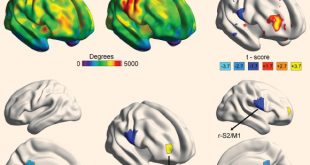
A Northwestern University-led team of researchers has identified a region in the brain responsible for the ‘placebo effect’ in pain relief, when a fake treatment actually results in substantial reduction of pain. In the study, whole-brain degree count maps, collected before the start of treatment, were used to identify potential …
Read More »
#Bizwhiznetwork.com Innovation ΛI |Technology News