 #Bizwhiznetwork.com Innovation ΛI |Technology News
Science
LED-technology boosts light contamination throughout the night sky
LED lights are saving a great deal of energy. However this type of light includes more blue and cold colors. This suggests that the sky above our cities is getting brighter and brighter – a phenomenon called light contamination.
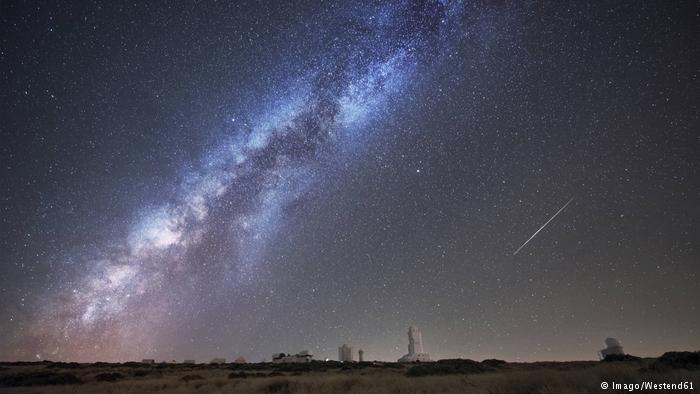
Unusual viewpoint: A crystal clear sky Many people would have to travel rather a distance to see a szene like this: Someplace.
, far from civilization, at a coast or in
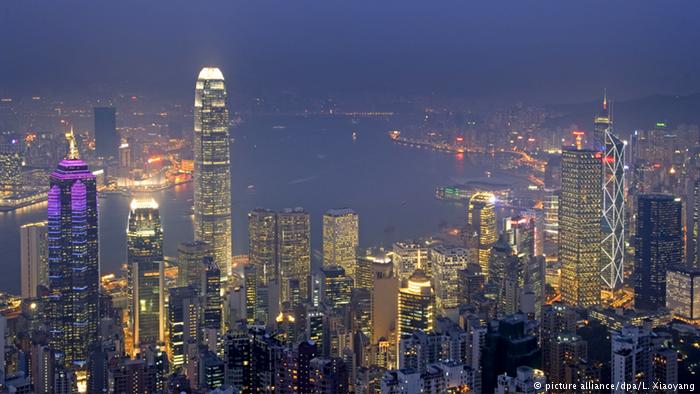
the mountains. Whereever there are people, there are ever more artificial lights. They make the skies brighter. The outcome: synthetic lights outperform the stars. The stars fade and eventually vanish from view.
LED light: Brighter and more affordable The most recent generation of lights does not consume much energy any longer. Therefore, people utilize more of them. And there is another impact: LED-lamps typically include more light with a cold blue wavelength
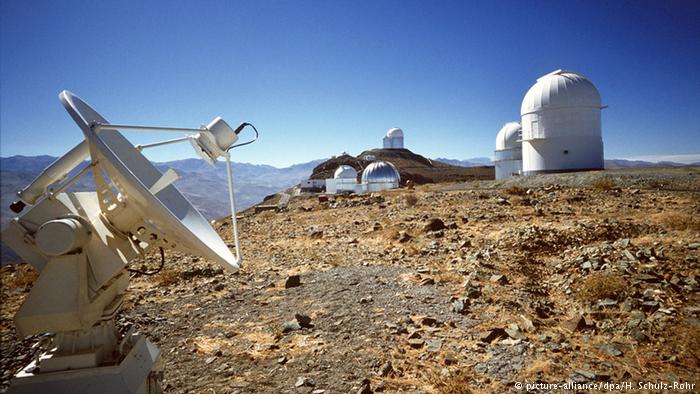
. The glaring color heightens light pollution. Safeguarded zones: lights off!The European Southern Observatory( ESO)is situated in a specifically
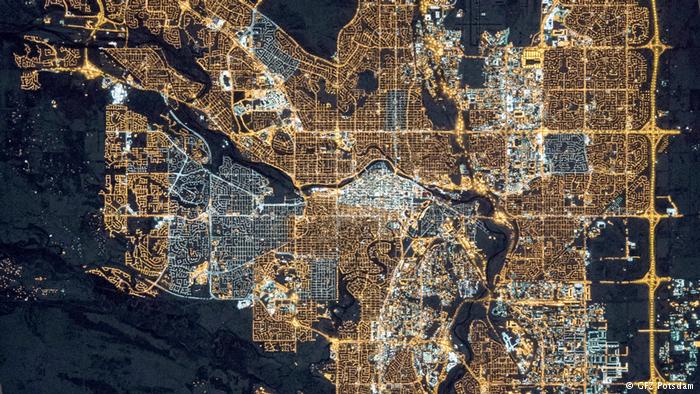
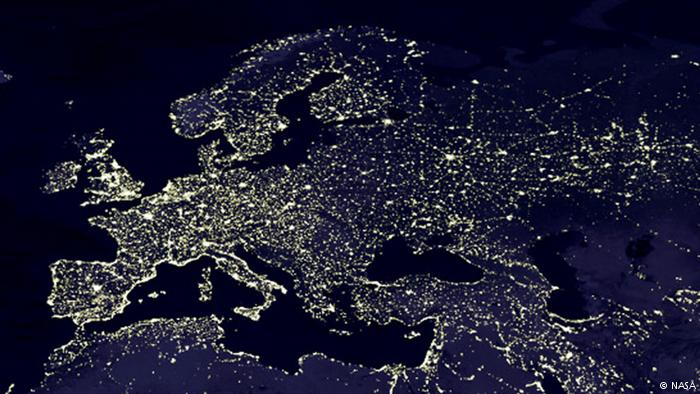
protected zone in Chile. Here, it is prohibited to release synthetic light outside the home. The ESO is far from human settlements. But observatories near cities have to handle light emissions. That’s why these cities attempt to lower light pollution by installing yellow and warm, rather than white and cold street lights. Prior To … Scientists of the German Research Center for Geosciences, the Leibnitz Institute and the universities of Exeter( UK )and Boulder (Colorado/US)used satellite information and
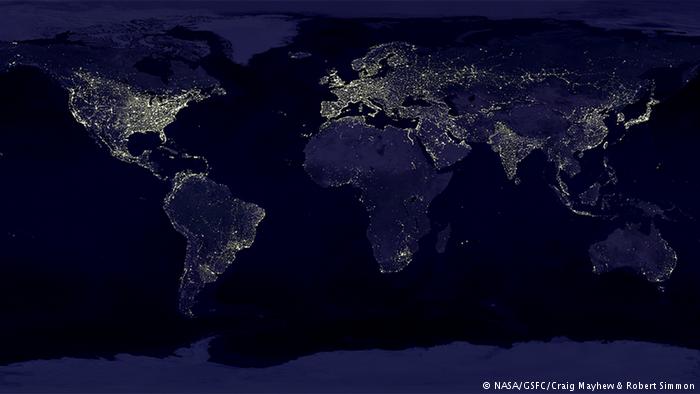
pictures from the International Spaceport station to observe
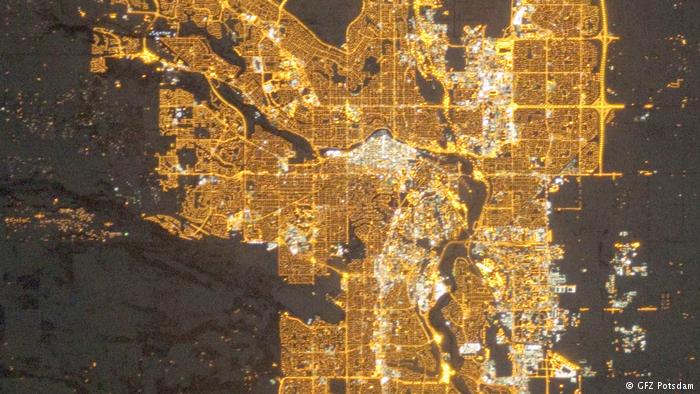
the changes. This is a view from the ISS of Calgary/Canada in 2010. … and after The very same point of view in 2015. One can see that the lighting system has actually been changed in whole city districts. The light-color is now whiter. Some roadways have been added as well.
The radiometre that the scientists used could not properly determine the light intensity in the blue spectrum. This means that the light was much more extreme than suggested by the gathered data. Detecting development The instrument was a Visible Infrared Imaging Radiometer(VIIRS). Its resolution was 750 meters. The data showed that the intensity of synthetic light from outside sources increased by an average of 2.2 percent from 2012 to
2016. What does light involve the economy? Worldwide, the boost in light was roughly aligned with the increase in gdp for private nations. The strongest boost in both fields might be found in
-
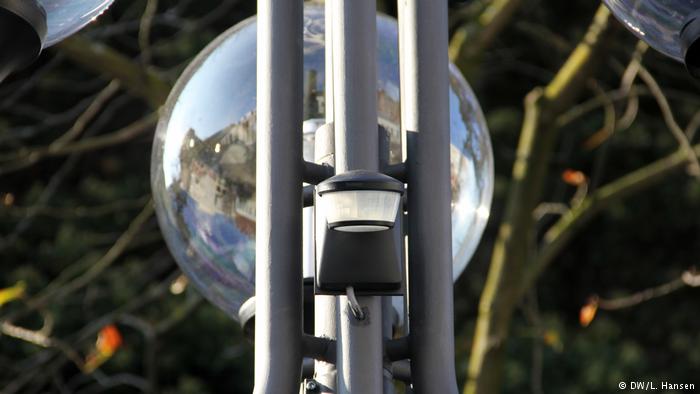
emerging economies. Light modifications the inner clock Artificial light changes the lives of animals and plants. Birds living in cities are already altering their natural sleep patterns. Plants that are exposed to artificial light have a prolonged development duration. Smart lights The question remains: Do cities have to have their street lights on all night? Although LEDs don’t utilize much electricity, we may still switch them off if no one needs them. Lights that are triggered by movement could be an option. And if nobody is around, a less bright emergency situation light would suffice.LED-technology boosts light contamination throughout the night sky” data-date Rare perspective: A crystal clear sky Many people would have to travel rather a distance to see a szene like this: Somewhere, far from civilization, at a coast or in the mountains. Whereever there are human beings, there are ever more synthetic light sources. They make the skies brighter. The outcome: synthetic lights outshine the stars. The stars fade and eventually vanish from view. LED light: Better and less expensive The latest generation of lights does
-
n’t take in much energy any longer. Individuals utilize
more of them. And there is another effect: LED-lamps often contain more light with a cold blue wavelength. The glaring color intensifies light contamination. Secured zones: lights off!The European Southern Observatory(ESO)is located in a specifically safeguarded zone in Chile. Here, it is forbidden to release artificial light outside the house. The ESO is far from human settlements. Observatories near cities have to cope with light emissions. That’s why these cities aim to minimize light pollution by installing yellow and warm, rather than white and cold street lights. Before … Researchers of the German Research Center for Geosciences, the Leibnitz Institute and the universities of Exeter (UK)and Stone(Colorado/US)utilized satellite data and images from the International Spaceport station to observe the changes. This is
a view from the ISS of Calgary/Canada in 2010. … and after The same viewpoint in 2015. One can see that the lighting system has actually been altered in entire city districts. The light-color is now whiter. Some roadways have been included as well. The radiometre that the scientists used could not effectively determine the light intensity in the blue spectrum. This means that the light was even more intense than indicated by the collected information. Identifying development The instrument was a Noticeable Infrared Imaging Radiometer (VIIRS).
-
Its resolution was 750 meters. The information showed that the intensity of artificial light from outside sources increased by approximately 2.2 percent from 2012 to
2016. Exactly what does light pertain to the economy? Internationally, the increase in light was roughly aligned with the increase in gross domestic item for individual countries. The strongest increase in both fields might be detected in emerging economies.

Light modifications the inner clock Artificial light changes the lives of animals and plants. Birds living in cities are currently changing their natural sleep patterns. Plants that are exposed to synthetic light have a prolonged growth period.
-
Smart lamps The question stays: Do cities require to have their street lights on all night? Despite the fact that LEDs do not use much electrical power, we may still switch them off if no one needs them. Lights that are triggered by motion could be an option. And if no one is around, a less intense emergency light would suffice.
Source
http://dw.com/en/led-technology-increases-light-pollution-across-the-night-sky/g-41498780