Science

Scientists Find Meteorite-Eating Microorganism
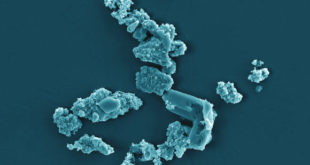
A varieties of archaea called Metallosphaera sedula can development on stony meteorites, using steels entraped within these extraterrestrial items as the single power resource, according to brand-new research study led by University of Vienna astrobiologists. SEM picture revealing Metallosphaera sedula cells conquering the surface area of the NWA 1172 fragments. …

Read More »

NASA Probe Discovers Source of Solar Winds

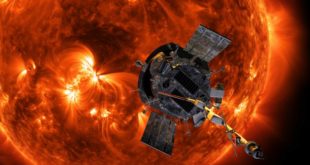
  NASA’s Parker Solar Probe started making history the very minute it launched, taking the crown as the fastest moving launch in history. It went on to pass closer to the sun than any previous spacecraft, and now NASA has released the results of scans made during the probe’s first …

Read More »

New Pterosaur Species Unearthed in Lebanon: Mimodactylus libanensis

Paleontologists in Lebanon have discovered the extremely well-preserved fossilized remains of a previously unknown Cretaceous-period flying reptile. Life reconstruction of Mimodactylus libanensis. Image credit: Julius T. Csotonyi. Pterosaurs were highly successful flying reptiles — not dinosaurs, as they’re commonly mislabeled — that lived at the same time as nonavian dinosaurs, …

Read More »

Paleontologists Find Fossils of Six New Dragonfly Species

Six new species of dragonflies that lived about 50 million years ago (early Eocene epoch) have been identified from fossils found in the Okanagan Highlands, an elevated hilly plateau area in British Columbia, Canada, and the U.S. state of Washington. Ypshna brownleei, an image reversed left/right so that wing apices …

Read More »

Cretaceous-Period Mammal Had Bizarre Middle Ear

Paleontologists in China have unearthed a nearly complete skeleton of a previously unknown Cretaceous mammal species with well-preserved middle ear bones. A life reconstruction of the Cretaceous multituberculate Jeholbaatar kielanae. Image credit: Yong Xu. The ancient creature is a multituberculate mammal (order Multituberculata), a distant relative of today’s rodents. Named …

Read More »

Majungasaurus Replaced All Its Teeth Every Two Months: Study

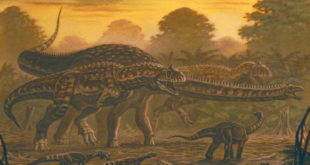
Majungasaurus, a carnivorous dinosaur that lived approximately 70 million years ago (Cretaceous period) in what is now Madagascar, grew new teeth roughly 2 to 13 times faster than those of other predatory dinosaurs, according to new research. Two individuals of Majungasaurus chasing Rapetosaurus, with Masiakasaurus in the foreground. Image credit: …

Read More »
Bizwhiznetwork Consultation