Archeaology

Archaeologists Discover 143 New Nazca Geoglyphs

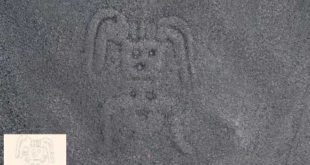
A team of Japanese archaeologists has identified 143 new geoglyphs in the Nazca Desert, southern Peru. A geoglyph of a human. Image credit: Yamagata University. The geoglyphs of Nazca are a series of drawings located in the desert plains of the Rio Grande de Nazca river basin about 250 miles …

Read More »

Megadroughts Likely Triggered Fall of Neo-Assyrian Empire

Climate-related megadroughts built the foundation for the collapse of the Neo-Assyrian Empire (912 to 609 BCE), the largest and most powerful empire of its time, a new study published in the journal Science Advances suggests. The rise of the Neo-Assyrian Empire occurred during a two-centuries-long interval of anomalously wet climate …

Read More »

Iberian Neanderthals Used Eagle Talons for Symbolic Purposes

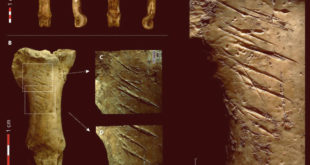
A cut-marked eagle phalange recovered from Foradada Cave in Spain suggests that Iberian Neanderthals used the birds’ talons as bead-like objects. The 39,000-year-old eagle phalange with cut marks from Foradada Cave, Spain: (A) dorsal, medial, plantar, and lateral views of the phalange (from left to right, respectively); (B) detail of …

Read More »

45,000-Year-Old Tiny Stone Tools Found in Sri Lanka

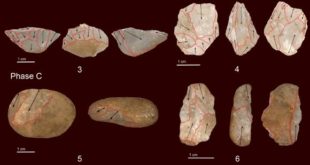
An international team of archaeologists has found a collection of microliths — small, retouched, often-backed stone tools — at the cave site of Fa-Hien Lena in the tropical evergreen rainforests of Sri Lanka. Some of these microliths are 45,000 years old and represent the earliest evidence of such advanced technology …

Read More »

Archaeologists Find Prehistoric ‘Baby Bottles’ in Europe

Archaeologists have actually discovered traces of ruminant milk on ceramic recuperated from Neolithic websites in Europe. Bronze Age child containers. Photo credit report: Enver-Hirsch, Wien Museum.” Possible baby feeding vessels initially show up in Europe in the Neolithic (around 5,000 BCE), ending up being extra typical throughout the Bronze and …

Read More »
Bizwhiznetwork Consultation