Science

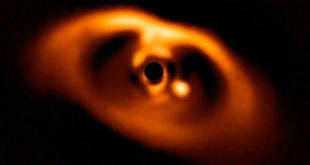
Astronomers Capture First-Ever Birth of a Planet

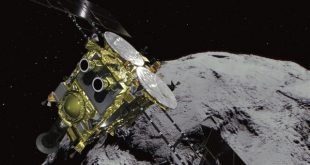
One of the difficulties of studying star and planetary formation has historically been the difficulty of confirming our hypotheses. As our understanding of the universe has expanded, our own theories have often come in for revision. We now know, based on the results of surveys like that of the Kepler …

Read More »

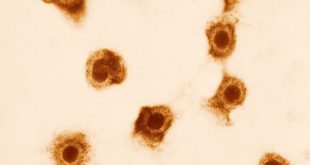
Study: Cytomegalovirus Infection May Enhance Immune System

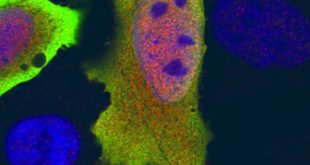
In search of a way to rejuvenate the immune system of older adults, a team of scientists from the University of Arizona College of Medicine and elsewhere has found that the cytomegalovirus, a common viral infection affecting between 60% and 99% of adults worldwide, may not weaken, but actually boost …

Read More »

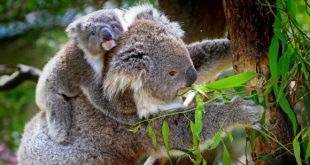
Koala Genome Sequenced

The Koala Genome Consortium, a research group that includes 54 scientists from 29 different institutions across seven countries, has produced the first high-quality genomic sequence for the koala (Phascolarctos cinereus), a tree-dwelling Australian marsupial that is one of the world’s most fascinating and iconic mammals. Koalas (Phascolarctos cinereus). Image credit: …

Read More »

Critical Immunity-Related Gene Identified

A team of researchers at the Commonwealth Scientific and Industrial Research Organisation (CSIRO), Australia, has identified an ancient gene that plays a key role in regulating the human body’s immune response to infection and disease. The discovery, published in the Journal of Biological Chemistry, could have intriguing implications for antiviral …

Read More »

Biologists Find Twenty Seven New Bee Viruses

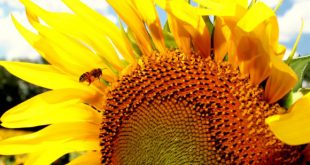
A team of scientists has identified 27 new viruses that infect European honeybees (Apis mellifera) and other bee species. Galbraith et al identified 27 novel viruses in bees. Image credit: Joanna Jankowski. “Populations of bees around the world are declining, and viruses are known to contribute to these declines. Despite …

Read More »

Researchers Hunting for Environmental DNA in Loch Ness

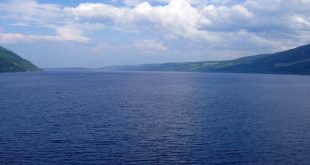
An international research team led by University of Otago’s Professor Neil Gemmell is using the latest DNA technologies to compile a census of life in Loch Ness, a large freshwater lake best known for sightings of the long-necked ‘monster.’ Loch Ness. Image credit: Gregory J. Kingsley. “There have been more …

Read More »
Bizwhiznetwork Consultation