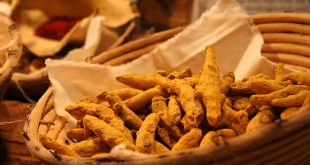
Daily consumption of a certain form of curcumin, a bioactive compound found in the cooking spice turmeric, improved memory and mood in people with age-related memory loss, according to a new study. Turmeric contains curcumin, which has been shown to have anti-inflammatory and antioxidant properties. Image credit: Joachim Schlosser / …
Read More »Dietary Fiber Intake Protects against Diet-Induced Obesity and Metabolic Syndrome
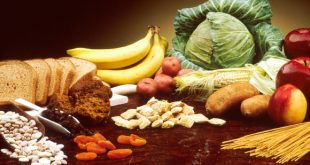
Consumption of fermentable fiber can prevent obesity, metabolic syndrome and adverse changes in the intestine by promoting growth of ‘good’ bacteria in the colon, according to a study published in the journal Cell Host Microbe. Zou et al found the fermentable fiber inulin restored gut health and protected mice against …
Read More »Study: Flu Virus Can Be Spread Just by Breathing
According to a new study published in the Proceedings of the National Academy of Sciences, it is alarmingly easy to spread the influenza virus by simply breathing. Colorized transmission electron micrograph of negatively stained SW31 (swine strain) influenza virus particles. Image credit: NIAID / CC BY 2.0. People commonly believe …
Read More »Study: High-Salt Diet Causes Dementia in Mice
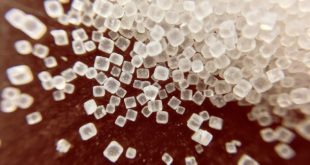
According to a new study published in the journal Nature Neuroscience, a high-salt diet reduces resting blood flow to the brain and causes dementia in mice. The findings illuminate a potential target for countering harmful effects caused by excess salt consumption. This study is the first to unveil a gut-brain …
Read More »Genetic Variation between Pathogen Strains Contributes to Diverse Patient Immune Responses
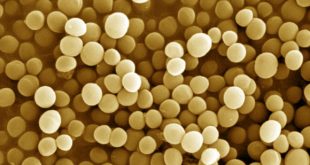
Individuals have wide-ranging physiological responses to the same species of pathogen. Researchers have demonstrated that different strains of a given bacterial species can elicit unique adaptive immune responses in the same individual, suggesting that variation between bacterial strains can explain heterogeneity in patient infection vulnerability. Research from the Rockefeller University …
Read More »Research Shows How Alcohol Damages Stem Cell DNA
A team of researchers from the Wellcome Trust Sanger Institute, the MRC Laboratory of Molecular Biology and the University of Cambridge, UK, has shown how alcohol damages chromosomes and mutates stem cells, helping to explain why drinking alcohol increases the risk of developing seven types of cancer. There are many …
Read More »Sauna Has Beneficial Effects on Blood Pressure and Arterial Stiffness
An international group of researchers has demonstrated that sauna bathing for 30?min reduces blood pressure and increases vascular compliance, while ‘also increasing heart rate similarly to medium-intensity exercise.’ The findings are published in the Journal of Human Hypertension and the European Journal of Preventive Cardiology. Sauna bathing is good for …
Read More »Regular Exercise Can Reverse Damage from Heart Aging, Finds New Study
According to a new study published in the journal Circulation, proper exercise can reverse damage to sedentary, aging hearts and help prevent risk of future heart failure — if it’s enough exercise, and if it’s begun in time. Regular exercise training may provide protection against the future risk of heart …
Read More »Google Neural Network Can Predict Your Health Status From Your Retina
Machine learning can be used to recognize faces, drive cars, and even spot exoplanets, but now Google is teaching its computers to do something even more unexpected. Researchers at Google have developed a way to predict a person’s blood pressure, age, and smoking status from an image of their retina, …
Read More »Caffeine May Help Diagnose Parkinson’s Disease in Early Stages
People with Parkinson’s disease have lower levels of caffeine in their blood than people without the disease, even if they consumed the same amount of caffeine, according to new research. Testing the level of caffeine in the blood may provide a simple way to aid the diagnosis of Parkinson’s disease. …
Read More »
#Bizwhiznetwork.com Innovation ΛI |Technology News