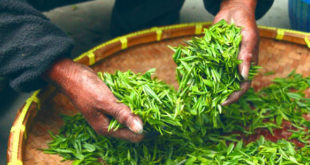
Epigallocatechin gallate (EGCG), one of the principle polyphenolic compounds found in the leaves of the green tea plant (Camellia sinensis), is effective against Mycobacterium tuberculosis, a bacterium that causes tuberculosis in humans, according to new research from the Nanyang Technological University, Singapore. Green tea leaves. Image credit: Highnesser. “Though tuberculosis …
Read More »Bioactive Compound in Essential Oils Enhances Wound Healing: Study
Beta-carophyllene, a bicyclic sesquiterpene found in lavender, rosemary and ylang ylang, as well as various herbs and spices, has the capability to improve wound healing, an effect generated by synergetic impacts of multiple pathways, a new study conducted in mice shows. Beta-carophyllene, a compound included in essential oils, improves the …
Read More »Blue Light is Less Disruptive to Sleep than Previously Thought
Using dim, cooler lights in the evening and warmer lights in the day may be more beneficial to our health, according to a new study in mice from University of Manchester researchers. Changes in the spectral content of ambient light are detectable to most mammals as a blue shift in …
Read More »Novel Laser Ultrasound Technique Doesn’t Require Contact with Patient’s Body
The noncontact laser ultrasound technique, developed by a team of MIT engineers, leverages an eye- and skin-safe laser system to remotely image the inside of a patient: when trained on a patient’s skin, one laser remotely generates sound waves that bounce through the body; a second laser remotely …
Read More »Study: High-Fat Meal Can Silence Communication between Intestine and Rest of the Body
According to a new study performed in zebrafish (Danio rerio), a high-fat meal can shut down the communication between the enteroendocrine cells — specialized sensory cells in the intestinal epithelium that sense and transduce nutrient information — and the rest of the body for a few hours. An enteroendocrine cell …
Read More »Low-to-Moderate Coffee Consumption Cuts Risk of Metabolic Syndrome, New Report Says
Coffee consumption at a level of 1-4 cups of coffee per day is associated with a reduced risk of metabolic syndrome, according to a new report from the Institute for Scientific Information on Coffee. A moderate coffee intake is considered to be 3-5 cups of coffee a day. Image credit: …
Read More »Extra-Virgin Olive Oil-Rich Diet Protects Mice from Multiple Forms of Dementia
Extra-virgin olive oil, a major component of the Mediterranean diet, is rich in cell-protecting antioxidants and known for its multiple health benefits. Previous studies in mice showed that extra-virgin olive oil preserves memory and protects the brain against Alzheimer’s disease. In the new animal study, a team of researchers from …
Read More »Researchers Find Caffeine, Other Chemicals in Donor Blood Serum
In new research, Oregon State University scientists worked with biomedical suppliers to purchase and analyze 18 batches of human blood serum pooled from multiple donors (biomedical suppliers get their blood from blood banks, which pass along inventory that’s nearing its expiration date); the researchers found traces of caffeine in all …
Read More »Study: Ketamine Decreases Alcohol Consumption in Male Rats
The drug ketamine can decrease alcohol consumption in male rats that previously had consumed high amounts of alcohol when given unrestricted access several times a week, according to a new study published in the journal eNeuro. Ketamine reduces alcohol intake in high-alcohol male rats but increases it in low-alcohol female …
Read More »Eating Legumes Reduces Heart Disease Risks, Says New Review
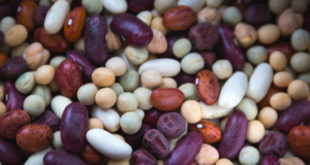
According to a review of previous prospective cohort studies, eating beans, lentils, peas, and other legumes reduces the risk for cardiovascular disease, coronary heart disease, and high blood pressure. Dietary pulses with or without other legumes are associated with reduced cardiovascular disease incidence with low certainty and reduced coronary heart …
Read More »
#Bizwhiznetwork.com Innovation ΛI |Technology News