The same hormone produced in the gut of the duck-billed platypus (Ornithorhynchus anatinus) to regulate blood glucose is also produced in the animal’s venom, a team of scientists led by University of Adelaide researchers has found — and that hormone could be used in new treatments for type 2 diabetes. …
Read More »Aerobics, Racquet Sports and Swimming are Best for Heart Health, Researchers Say

A team of researchers from Australia, Austria, Finland and UK has found that swimming, aerobics, racquet sports (badminton, tennis and squash) and cycling offer life saving benefits compared to running and soccer. They also found that death from cardiovascular disease was reduced in people who participated in swimming, racquet sports …
Read More »Scientists Find Long-Sought-After Mechanism that Creates Immunity to Influenza A Virus
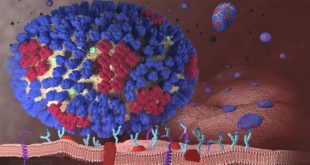
An international team of researchers from Australia, China and the United States has shown for the first time that RNA interference is active in the response of human cells to some important viruses, including influenza A virus. The research is published in the journal Nature Microbiology. This image illustrates the …
Read More »Unprecedented Genomic Study Shines Light on Ancestry of Indigenous Australians
The first comprehensive genomic study of Indigenous Australians has revealed that they are indeed the direct descendants of Australia’s earliest settlers and diverged from their Papuan neighbors about 37,000 years ago. The study also confirmed that all modern non-African populations are descended from a single wave of migrants, who left …
Read More »Genes That Turn Dogs into Friendly Pets Also Linked to Human Social Disorders
A team of researchers at Linköping University in Sweden has identified two genomic regions and five candidate genes associated with dog’s human-directed social behaviors. Interestingly, four of these genes are also related to social behavior disorders in humans. The work by M.E. Persson et al is the first genome-wide study …
Read More »Researchers Identify New Gene Families Associated with Bigger Brains
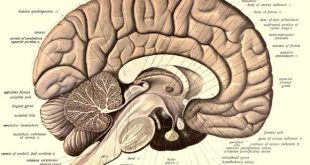
A group of researchers in the United Kingdom has identified a set of gene families whose sizes are positively associated with an expanded neocortex — the region of the brain that is involved in higher cognitive behaviors such as language and decision-making, providing new insights into neocortex evolution. An anatomical …
Read More »Scientists Sequence Tarsier Genome
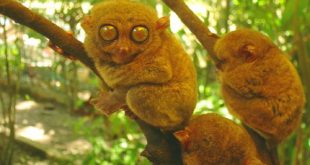
An international team of researchers from the United States and Germany today reports having sequenced and annotated the genome of the Philippine tarsier. The team’s results place tarsiers on an important branch of the primate evolutionary tree — along the same branch that leads to humans, monkeys and great apes. …
Read More »Genetic Variant Associated with Eczema is Evolutionary Artifact, Researchers Say
Pie charts show the proportion of chromosomes within different populations worldwide that carry a non-working copy of the FLG gene, a primary risk factor for eczema. Even in East Asia, where the rates are high, the scientists found no evidence that preserving this genetic mutation has an evolutionary benefit to …
Read More »Scientists Discover 23 New ‘Risk Genes’ for Vitiligo
Twenty-three new genes involved in risk for autoimmune vitiligo have been identified by an international group of scientists led by the University of Colorado School of Medicine. UV photograph of a hand with vitiligo. Image credit: Chip Bobbert / CC BY-SA 4.0. Vitiligo is a chronic condition in which melanocytes …
Read More »Biologists Find DNA of Black Widow Spider Toxin in Genome of Bacteriophage
Biologists at Vanderbilt University have discovered DNA of the black widow spider toxin in the genome of a virus that attacks Wolbachia, a type of symbiotic bacteria that infects a wide range of invertebrate species, like shrimps, spiders and parasitic worms. Electron microphotograph shows two Wolbachia cells that have infected …
Read More »
#Bizwhiznetwork.com Innovation ΛI |Technology News