


But a lesser-known security layer called HTTP Rigorous Transport Security (HSTS) is likewise available and can help safeguard your site and your seo (SEO) too. Let’s stroll through what HSTS is and how it works.
HSTS
HSTS is a reaction header that notifies the web browser it can only connect to a particular site utilizing HTTPS. HSTS increases both the speed and security of HTTPS sites. To fully understand what HSTS does, you require a little working understanding of HTTPS.
HTTPS

HTTPS (Active Text Transfer Protocol Secure) is a secure variation of HTTP. When a user connects to a website using HTTPS, the website then secures the session with a safe and secure sockets layer(SSL)certificate. In layman’s terms, it adds an extra layer of security to the site session and safeguards against hackers who might try to take info from web users.
As you can think of, this is specifically beneficial for e-commerce, banking, or other transaction websites like Paypal, which need users to enter delicate details.
Whether or not a site utilizes HTTPS is clearly noticeable to users. Those that are protected will include a green protected sign by the URL.
On the other side, those websites that still rely only on HTTP will be labeled” Not Secure “in the consistent resource locator (URL) box.
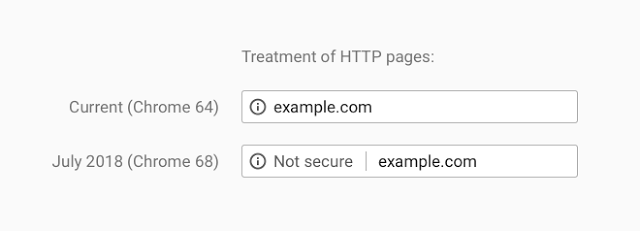

While HTTPS is a large enhancement over its predecessor, it’s not entirely without its defects and that is where HSTS comes in.
How HSTS increases website security
Among the flaws related to HTTPS is that it isn’t completely hack-proof. It leaves your website open to SSL stripping. This takes place when a hacker alters the connection from an encrypted connection to an older variation.
This frequently accompanies 301 reroutes– if a website depends on 301 redirects for switching from HTTP to HTTPS. The 301 redirect generally occurs like this:
- Somebody types in examplesite.com into their web browser.
- Because examplesite.com uses a 301 redirect, the browser at first tries to fill http://examplesite.com. This happens since the web browser can’t understand ahead of time that a particular site is using HTTPS.
- Once it comes across the redirect and is told otherwise, the web browser then has the consent to load https://examplesite.com.
While this does not appear like a huge deal, it’s those few milliseconds in between you actually require to fret about because it leaves the site susceptible to hackers who attempt to strip down your SSL certificate.
When the server at first calls the HTTP variation, hackers can slip in and obstruct the demand over the insecure HTTP, which will obstruct the site from utilizing HTTPS. It stands to factor that as more sites change to HTTPS, more hackers are educating themselves on how to split the upgraded security codes.
There is a solution for this, make your website even more safe by using HSTS.
HSTS forces a website to load over HTTPS, ignoring any calls to try an HTTP connection first as in the case of 301 redirects. This basically sidesteps the initial HTTP load by forcing the web browser to remember that this site does certainly support HTTPS. That method, the web browser will load the safe and secure version right away and gets rid of the opportunity for hackers to hijack the connection.
How HSTS helps page load speed and SEO
In addition to including an additional layer of security to your site, utilizing HSTS may likewise provide you an SEO increase given that utilizing HSTS makes your web pages load even faster.
We know load time is a huge offer when it comes to both search rankings and user experience. With mobile use only increasing and Google’s mobile-first effort in full swing, page load speed is more vital than ever.
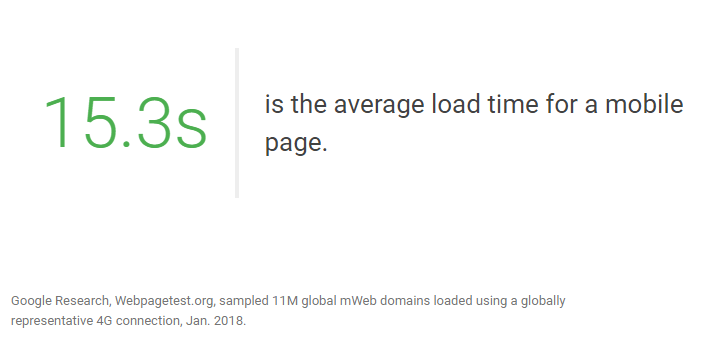
Early last year, Google launched a research study with the following conclusions: The typical time it requires to totally load the average mobile landing page is 15.3 seconds:

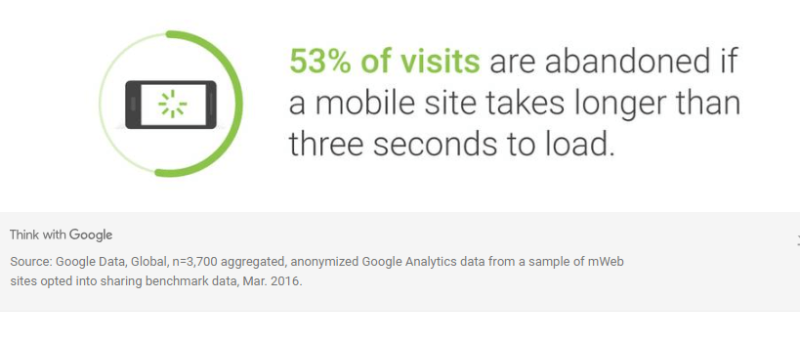
However, research also suggests 53 percent of individuals will leave a mobile page if it takes longer than 3 seconds to load.

Plainly, web users aren’t precisely forgiving when it pertains to fill times. And for e-commerce websites which seem to have the most reward for applying HSTS, the news is even worse. Consider this shopping stat from Google:

Mobile websites lag behind desktop websites in key engagement metrics such as typical time on site, pages per see, and bounce rate. A great deal of shopping is occurring online, however sites that lag behind aren’t the ones making the sales. Page load speed directly affects metrics like average time invested in website, pages per visit, and bounce rate. If you’re seeing low engagement metrics, you’re likely seeing low sales.

Those engagement metrics are also key consider your general SEO. Websites with strong engagement signal quality and excellent user experience to Google which can result in a greater ranking. Considering that page load speeds are such a big offer, it makes good sense companies would do whatever they can to guarantee their websites pack like lightning. Among the things they can do is enable HSTS.
Keep in mind, if you try to pack a site utilizing only HTTPS, it will initially try to call the HTTP version before understanding a page supports HTTPS. That initial HTTP attempt will trigger a small hold-up in the load time of your site. While it may only be milliseconds when it comes to page load speed, every millisecond counts. With HSTS made it possible for, the internet browser knows to use just HTTPS, making the redirect instant and getting rid of any lag time.
How do I apply HSTS?
Prior to you can make it possible for HSTS you must have a legitimate SSL certificate installed. A user’s web browser will need to see the HSTS header at least as soon as prior to it understands to instantly reroute to a specific page. That indicates a user’s very first visit to a particular domain would still need to go through the HTTP to HTTPS procedure.
To eliminate this as much as possible, Chrome developed an HSTS preload list. This is a list of domains that will have HSTS made it possible for instantly, so users can instantly link utilizing HSTS.
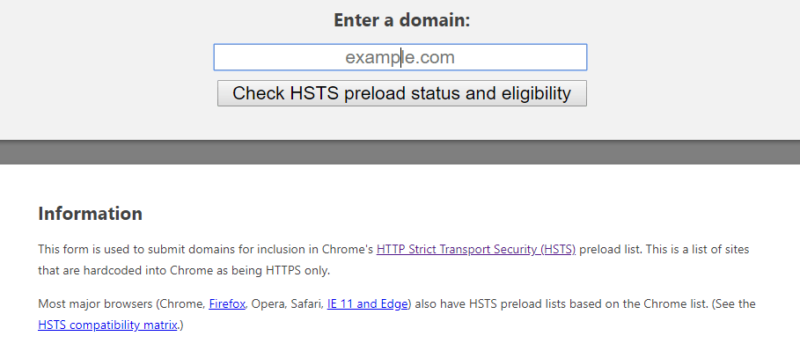

Chrome enables anybody to send their domain to the HSTS list as long as it fulfills the list below requirements:
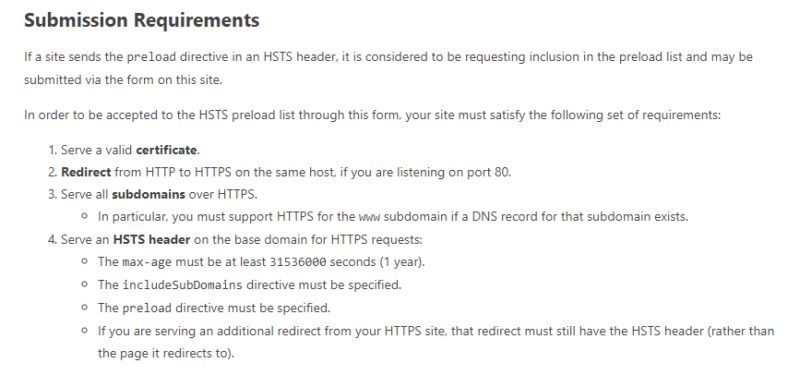

HTTPS needs to be made it possible for on the root domain and all subdomains especially the www.subdomain if a DNS record for it exists. This includes any subdomains in usage exclusively on intranets. The HSTS policy consists of all subdomains, with a long max-age, and a “preload” flag to suggest that the domain owner permissions to preloading.
Currently Firefox, Safari, Opera and Edge also utilize Chrome’s preload list, so the choice is available to domains throughout most significant browsers.
To enable HSTS on your website, you’ll require to include the HSTS header triggered. You can do this through your hosting website or trigger it yourself.
Conclusion
Should you use HSTS? I believe you ought to unless you are a material publisher and are experiencing trouble changing to HTTPS. It’s tough to serve ads on an HTTPS site so numerous publishers have actually had problem with changing to HTTPS. They’ll most likely have a hard time serving advertisements using HSTS as well.
Every site can benefit from an extra layer of security, not just from an SEO standpoint but from a client standpoint as well. If you run an e-commerce or transactional site, HSTS is rapidly becoming a must.
Consider it by doing this: included security and faster load times equals better SEO and ultimately, a better user experience.
Viewpoints expressed in this post are those of the visitor author and not always Browse Engine Land. Personnel authors are listed here.
Source
http://news.google.com/news/url?sa=t&fd=R&ct2=us&usg=AFQjCNEqCutyajZQq1vdXfCnamRsBCE-Lw&clid=c3a7d30bb8a4878e06b80cf16b898331&ei=–yEW_jDBoTa3gH2p5XABg&url=https://searchengineland.com/why-websites-should-be-using-hsts-to-improve-security-and-seo-304380