
Vlad the Impaler (also called Vlad Tepes) ruled the Wallachian empire in the 15th century and was well-known for his violent tendencies. The king, also referred to as Vlad Dracula, ended up being the motivation behind Irish author Bram Stoker’s 1897 unique Dracula, permanently linking to the historical figure with his blood-sucking fictional counterpart. Today, Dracula lovers can discover evidence of Dracula throughout Europe, particularly in Romania.


, https://cdn.fodors.com/wp-content/uploads/2018/09/1_DraculaInEurope_BranCastle_Bran-Castle-Photo-16_1-390×260.jpg 390w, https://cdn.fodors.com/wp-content/uploads/2018/09/1_DraculaInEurope_BranCastle_Bran-Castle-Photo-16_1-724×483.jpg 724w, https://cdn.fodors.com/wp-content/uploads/2018/09/1_DraculaInEurope_BranCastle_Bran-Castle-Photo-16_1-975×650.jpg 975w”src =”https://cdn.fodors.com/wp-content/uploads/2018/09/1_DraculaInEurope_BranCastle_Bran-Castle-Photo-16_1.jpg”>

PICTURE: Bran Dracula’s
Castle IMAGE: Bran Dracula’s Castle WHERE: Bran, Romania Bran Castle rests on a hill in the heart of Transylvania, surrounded by the Carpathian Mountains. It’s unclear whether Vlad the Impaler ever actually went to the fortress, which was completed in 1388, however, the castle was allegedly used by Stoker as motivation for Castle Dracula in his book. These days the character is totally accepted in Bran, which offers Dracula-themed souvenirs and uses historical trips of the Castle. The yearly Halloween celebration, as anticipated, is particularly rambunctious.

, https://cdn.fodors.com/wp-content/uploads/2018/09/2_DraculaInEurope_Labrinitus_shutterstock_607644161_1-768×512.jpg 768w, https://cdn.fodors.com/wp-content/uploads/2018/09/2_DraculaInEurope_Labrinitus_shutterstock_607644161_1-390×260.jpg 390w, https://cdn.fodors.com/wp-content/uploads/2018/09/2_DraculaInEurope_Labrinitus_shutterstock_607644161_1-724×483.jpg 724w, https://cdn.fodors.com/wp-content/uploads/2018/09/2_DraculaInEurope_Labrinitus_shutterstock_607644161_1-975×650.jpg 975w”src=”
https://cdn.fodors.com/wp-content/uploads/2018/09/2_DraculaInEurope_Labrinitus_shutterstock_607644161_1.jpg”> PHOTO: acceptphoto/ Shutterstock WHERE: Budapest, Hungary According to legend, Dracula was cooped by Hungarian ruler King Matthias in the 15th century and secured a chamber in the maze beneath Budapest’s Buda Castle. Brave tourists can venture inside the dark spaces of the labyrinth at the Labirintus, a traveler destination that allows access to several underground passages and rooms. It can be hokey in parts, specifically when fog and ominous music fills the air, but the labyrinth’s caverns actually have a huge and interesting history (that may or might not consist of one blood-sucking vampire).
Continue Reading Article After Our Video
Suggested Fodor’s Video

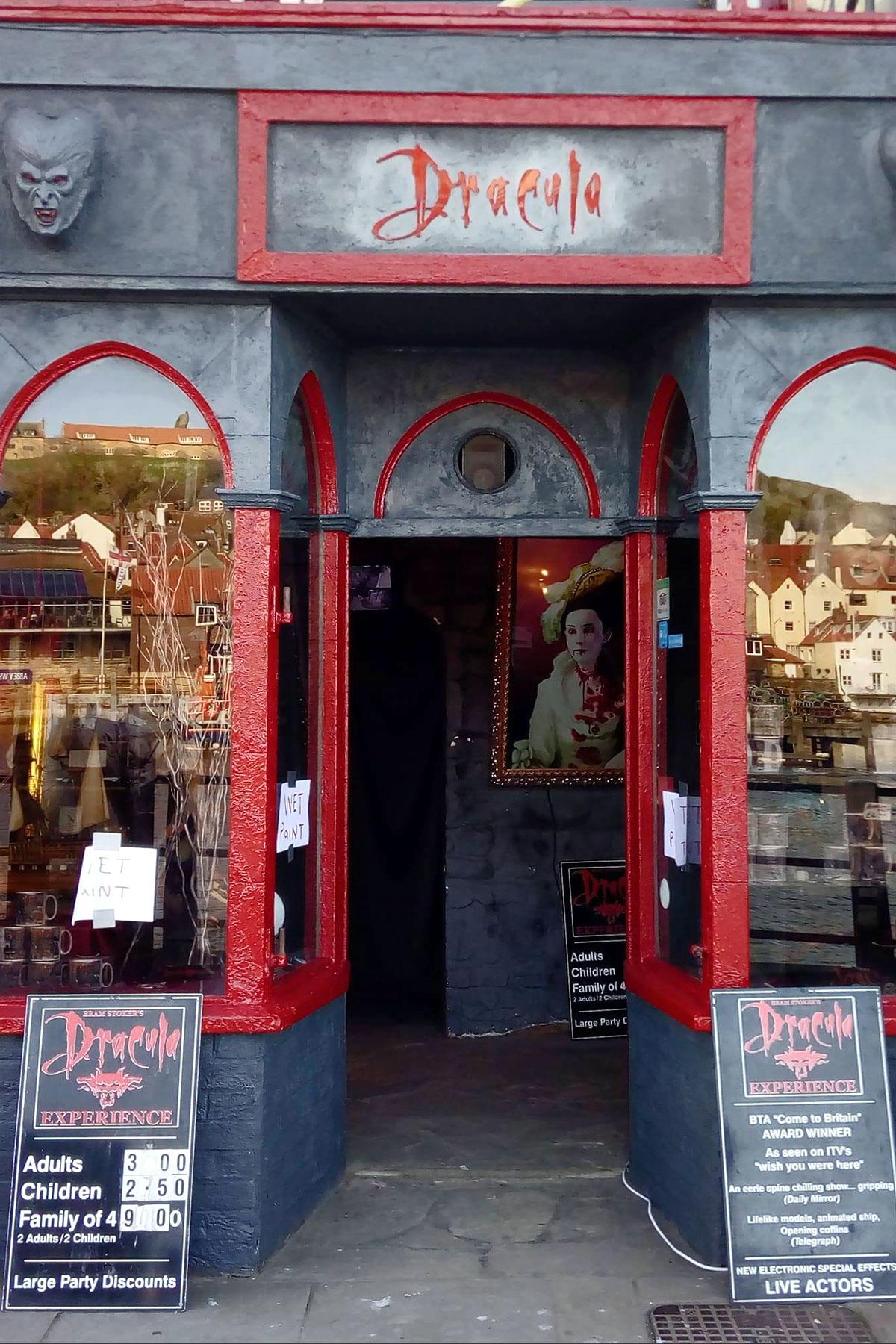
> PHOTO: The Dracula
Experience|Facebook WHERE: Whitby, England The British seaside town of Whitby, in Yorkshire, was as soon as Stoker’s trip home. The author visited the town in 1890 and was supposedly inspired by the Whitby Abbey and its surrounding sights. Today, visitors can relive the past at The Dracula Experience, which recreates several scenes from Stoker’s book. For an additional scare, join one of the regular monthly paranormal examination nights.


https://cdn.fodors.com/wp-content/uploads/2018/09/4_DraculaInEurope_MuseumofOldPrincelyCourt_shutterstock_112725961_2-390×260.jpg 390w, https://cdn.fodors.com/wp-content/uploads/2018/09/4_DraculaInEurope_MuseumofOldPrincelyCourt_shutterstock_112725961_2-724×483.jpg 724w, https://cdn.fodors.com/wp-content/uploads/2018/09/4_DraculaInEurope_MuseumofOldPrincelyCourt_shutterstock_112725961_2-975×650.jpg 975w”src=”https://cdn.fodors.com/wp-content/uploads/2018/09/4_DraculaInEurope_MuseumofOldPrincelyCourt_shutterstock_112725961_2.jpg”>
PHOTO: Leonid Andronov/ Shutterstock Museum of the Old Princely Court WHERE: Bucharest, Romania Museum of the Old Princely Court, located in the center of Old Town Bucharest, is an outdoor archeological site that exposes the 15 th court developed by Vlad the Impaler. It was excavated beginning in 1953, and researchers have uncovered the remains of numerous essential components, including a Turkish bath. Visitors can check out the site, endeavor into a few of the existing rooms, and discover more about Vlad’s rule.
PHOTO: FlorinRO/ Shutterstock IMAGE: Ukko/ Shutterstock WHERE: Targoviste, Romania Targoviste PrincelyCourt is another remaining vestige of Vlad the Impaler’s reign. The fortress, some of which still stands, was developed throughout the 15 th century and was home to both Vlad and Constantin Brancoveanu. The Chindia Tower stays intact and visitors can climb the winding staircases to its pinnacle, where a view of Targoviste awaits. The close-by Holly Friday Church and Great Princely Church display comprehensive wall paintings and historic artifacts.


, https://cdn.fodors.com/wp-content/uploads/2018/09/6_DraculaInEurope_SnagovMonastery_shutterstock_252045718_1-300×200.jpg 300w, https://cdn.fodors.com/wp-content/uploads/2018/09/6_DraculaInEurope_SnagovMonastery_shutterstock_252045718_1-768×512.jpg 768w, https://cdn.fodors.com/wp-content/uploads/2018/09/6_DraculaInEurope_SnagovMonastery_shutterstock_252045718_1-390×260.jpg 390w, https://cdn.fodors.com/wp-content/uploads/2018/09/6_DraculaInEurope_SnagovMonastery_shutterstock_252045718_1-724×483.jpg 724w, https://cdn.fodors.com/wp-content/uploads/2018/09/6_DraculaInEurope_SnagovMonastery_shutterstock_252045718_1-975×650.jpg 975w”src=”
https://cdn.fodors.com/wp-content/uploads/2018/09/6_DraculaInEurope_SnagovMonastery_shutterstock_252045718_1.jpg”> PHOTO: maggee/ Shutterstock IMAGE: Irma eyewink/ Shutterstock WHERE: Snagov, Romania There are lots of claims about the area of Dracula’s tomb. Snagov Monastery, an Orthodox monasterystill in operation, is one of those locations. The Abbey, situated on an island not far from Bucharest, was as soon as a protective position during Vlad’s guideline. The church, which is covered in excellent wall paintings, is supposedly where Vlad was buried. Visitors can come to their own conclusions. IMAGE: Catalin Lazar/ Shutterstock WHERE: Dublin, Ireland Stoker was born near Dublin’s
Castle Dracula, a website that admires
the author and his tradition. Travel through the castle
created by a group of Dracula lovers, who are still in the
process of restoring the structure and totally completing
the exhibitions. The partial opening happened previously this year, revealing the life of Vlad the Impaler,the imaginary representations of Dracula and an abuse gallery with gadgets used in the Middle Ages.

PHOTO: Cristian Balate/ Shutterstock WHERE: Mureş County, Romania The Romanian town of Sighişoara dates back to the 1 st century ADVERTISEMENT, but it’s the 16 th-century architecture that got the location designated as a UNESCO World Heritage Website. It is famously the birthplace of Vlad the Impaler and his former house stays for travelers to visit (amongst the city’s other remarkable sites, like the Sighişoara Castle). The Vlad Dracul House, where the ruler lived from 1431-1435, lies near the Citadel Square and now showcases the Museum of Weapons.
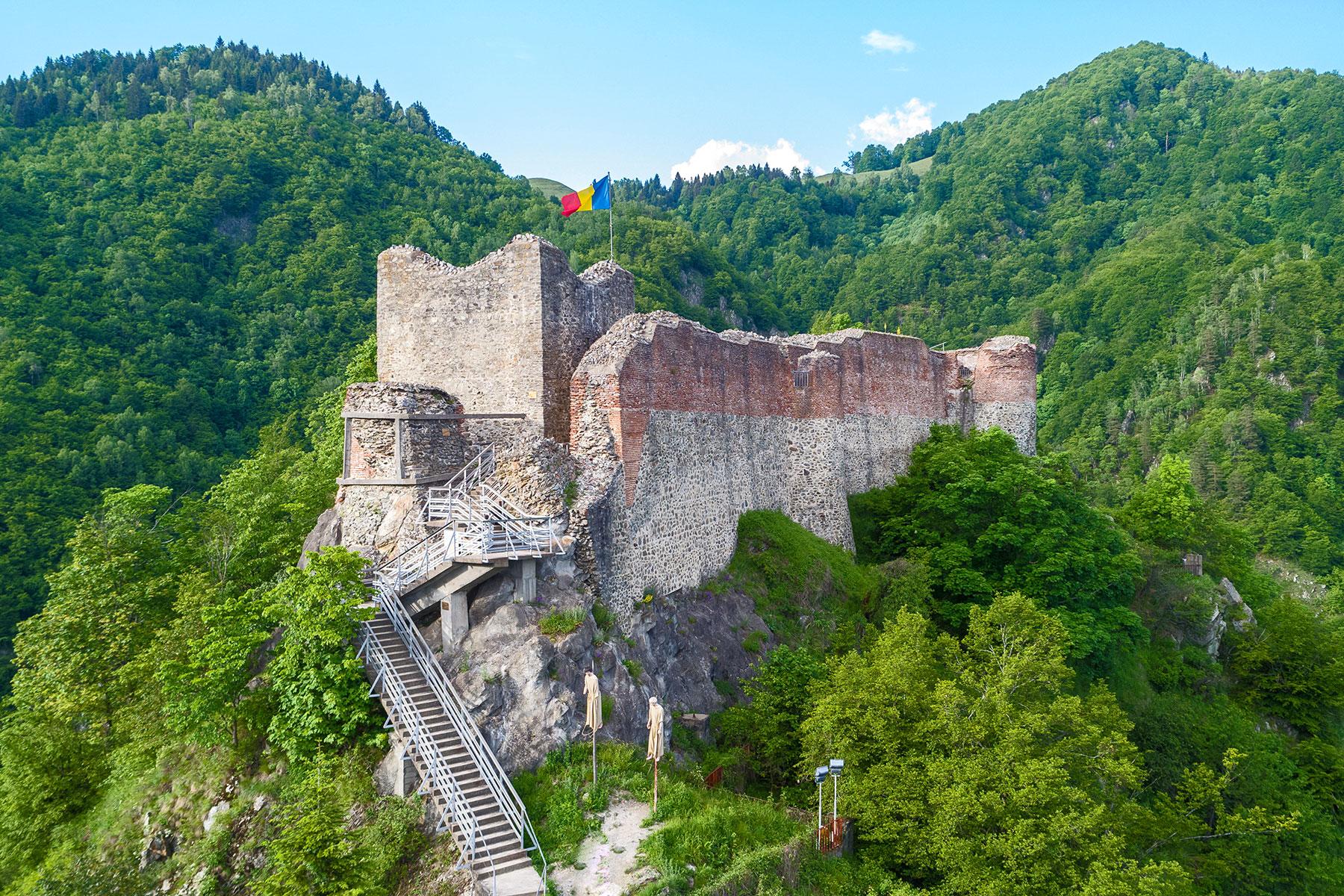
IMAGE: Porojnicu Stelian/ Shutterstock
WHERE: Argeş County, Romania
The ruins of Poienari Fortress stand on a cliff in Argeş County, approximately 100 miles northwest of Bucharest. The Fortress was integrated in the 13th century and stood through many residents and rulers, consisting of Vlad the Impaler. In 1462, the Turkish army attacked the fortress and Vlad was forced to escape through a secret passage into the Carpathian Mountains. The castle has considering that fallen apart, but it’s still possible to climb 1,462 actions to explore the remains and take pleasure in picturesque views of Romania.