Intel recently announced its lineup of Sapphire Rapids Xeon CPUs for workstations. They’re still a month or two away, but in the lead-up to the on-sale date, Intel invited German overclocker de8auer to its labs for a quick overclocking test. That some Sapphire Rapids workstation CPUs are overclockable is both …
Read More »Almond Consumption
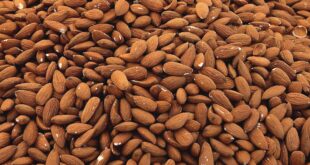
A snack of 30-50 grams of almonds could help people cut back on the number of calories they consume each day, according to a new study led by University of South Australia scientists. Carter et al. compared postprandial changes in appetite-regulating hormones and self-reported appetite ratings after consuming almonds or …
Read More »Honey Consumption
Honey, especially robinia (also known as acacia honey, a honey from false acacia or black locust trees), clover, and unprocessed raw honey, may improve glycemic control and lipid levels when consumed within a healthy dietary pattern, according to a new systematic review and meta-analysis led by the University of Toronto …
Read More »Consumption Smoothing
Consumption smoothing is a financial planning concept developed and tested by economists. It refers to the somewhat aspirational idea that people strive to maintain a relatively stable and predictable standard of living over their lifetime through all phases of life. There is a lot that can happen over a lifetime …
Read More »Daily Pecan Consumption
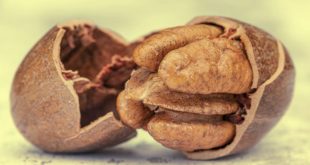
In a new randomized, controlled trial, participants at risk for cardiovascular disease who ate pecans (Carya illinoinensis) during an eight-week intervention showed significant improvements in total cholesterol, triglycerides and low-density lipoprotein (LDL) cholesterol. Guarneiri et al. saw an average drop of 5% in total cholesterol and between 6% and 9% …
Read More »Coffee Consumption
Higher intake of caffeinated coffee was found to be associated with reduced risk of heart failure in three large, well-known heart disease studies: the FHS (Framingham Heart Study), CHS (Cardiovascular Heart Study), and ARIC (Atherosclerosis Risk in Communities). Drinking one or more cups of caffeinated coffee may reduce heart failure …
Read More »UV-Induced Photodamage
Polyphenols, a group of natural compounds found in grapes as well as other fruits and vegetables, are key compounds responsible for ultraviolet (UV)-photoprotection, according to new research. Grapes may help protect against damage to the skin caused by solar UV radiation. Image credit: Bru-nO. “Major grape polyphenols include the flavanols …
Read More »Chili-Pepper Consumption
Regular consumption of chili pepper is associated with a significant reduction in all-cause, cardiovascular, and cancer-related mortalities, according to a systematic review of previous studies. Chili peppers contain a phenolic compound called capsaicin. Image credit: Hans Braxmeier. “Chili pepper is well known for its anti-inflammatory, antioxidant, anticancer, and blood glucose …
Read More »Regular Consumption of Sugary Beverages Affects Brain
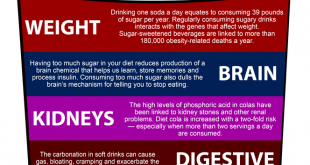
Researchers using data from the Framingham Heart Study (FHS), a joint project of the National Heart, Lung and Blood Institute and Boston University, have shown that people who more frequently consume sugary beverages such as sodas and fruit juices are more likely to have poorer episodic memory, smaller hippocampal and …
Read More »Regular Tea Consumption Reduces Risk of Neurocognitive Disorders in Older Adults, Study Says
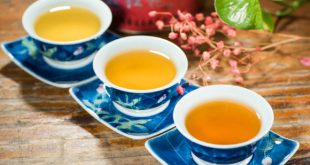
Regular consumption of tea lowers the risk of cognitive impairment in older adults by 50%, according to a new study in the Journal of Nutrition, Health Aging. Feng et al found that regular tea consumption is associated with lower risk of neurocognitive disorders among Chinese elderly. Image credit: Deaphen. “A …
Read More »