According to a 44-year longitudinal population study, published online in the journal Neurology, women with high cardiovascular fitness in midlife were 88% less likely to develop dementia decades later, compared to women who were moderately fit; when the highly fit women did develop dementia, they developed the disease an average …
Read More »New Study Finds Link between Body Temperature and Obesity
According to a study in mice published in the Journal of Neuroscience, reduced ability to maintain body temperature in colder environments may contribute to the development of obesity in adulthood. Obese and thin mice. Image credit: Shannon Reilly, University of Michigan. Energy from food fuels maintenance of a constant body …
Read More »Vitamin D May Help Protect Against Cancer: Study
High Vitamin D levels may be linked to a lower risk of developing cancer, according to a study of Japanese adults published in the journal BMJ. In this study, higher Vitamin D concentration was associated with lower risk of total cancer; the findings support the hypothesis that Vitamin D has …
Read More »Study: Gut Bacteria Trigger Autoimmune Disease
Enterococcus gallinarum, a species of bacterium found in the small intestines of humans and mice, can travel to other organs and trigger an autoimmune response, according to a new study published in the journal Science. The findings suggest new approaches for treating chronic autoimmune conditions, including systemic lupus and autoimmune …
Read More »Varicose Veins Linked to Increased Risk of Deep Venous Thrombosis
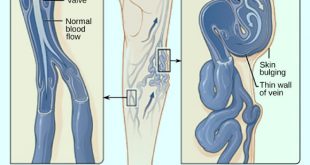
According to an observational study published in the journal JAMA, varicose veins may be a warning sign of a type of blood clot known as a deep venous thrombosis. Chang et al found a significant association between varicose veins and DVT. The illustration shows how a varicose vein forms in …
Read More »Magnesium-Deficient Diet Makes Vitamin D Ineffective, Review Says
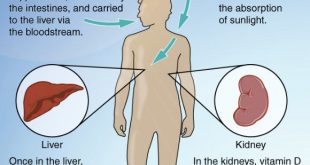
Vitamin D can’t be metabolized without sufficient magnesium levels, meaning Vitamin D remains stored and inactive for as many as 50% of Americans, according to a review of previous studies, published in the March 2018 issue of the Journal of the American Osteopathic Association. Magnesium is the fourth most abundant …
Read More »Scorpion Venom Toxin Reduces Severity of Rheumatoid Arthritis in Rats
Dr. Christine Beeton from Baylor College of Medicine and colleagues have found that iberiotoxin — one of the components in the venom of a scorpion species called the Eastern Indian red scorpion (Buthus tamulus) — can reduce disease severity in a rat model of rheumatoid arthritis. The Eastern Indian red …
Read More »Scientists Discover New Link between Obesity and Gut Bacteria
A team of scientists at Lund University in Sweden has found that certain amino acids in our blood can be connected to both obesity and the composition of the gut microbiota. Ottosson et al discovered associations between four gut microbiota genera and BMI predictive plasma metabolites, including glutamate and BCAAs; …
Read More »Researchers Discover ‘Insulin-Producing’ Viruses
An international team of scientists led by Harvard Medical School’s Joslin Diabetes Center has identified four viruses that can produce insulin-like hormones. Reported in the Proceedings of the National Academy of Sciences, the discovery brings new possibilities for revealing biological mechanisms that may cause disease. Transmission electron micrograph of ranaviruses …
Read More »How Amazon Could Succeed in Overturning the Old Healthcare Model
Jeff Bezos and a cabal of billionaires surprised everyone last month with the announcement that they’re conspiring to disrupt the healthcare industry. They are planning to offer a “not-for-profit” system that would initially be made available to employees of their respective companies, but with the potential to be rolled out to …
Read More »