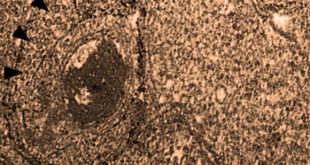
Biologists at Vanderbilt University have discovered DNA of the black widow spider toxin in the genome of a virus that attacks Wolbachia, a type of symbiotic bacteria that infects a wide range of invertebrate species, like shrimps, spiders and parasitic worms. Electron microphotograph shows two Wolbachia cells that have infected …
Read More »Research Sheds Light on Genetic Cause of Frustrating Syndrome
The genetic cause of a syndrome characterized by multiple frustrating and difficult-to-treat symptoms, including dizziness and lightheadedness, skin flushing and itching, gastrointestinal complaints, chronic pain, bone and joint problems, is now better understood. Jonathan J. Lyons et al identified a genetic explanation for a syndrome characterized by multiple frustrating and …
Read More »Higgs Bison: Mysterious Hybrid of Bison and Cattle Hidden in Ice Age Cave Art
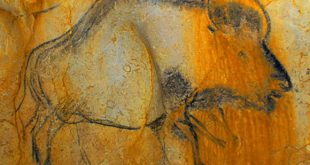
A study led by University of Adelaide researcher Julien Soubrier has revealed that prehistoric European cave artists recorded a previously unknown hybrid species of bison and cattle on cave walls more than 15,000 years ago. Charcoal drawing of a steppe bison in Chauvet-Pont d’Arc cave, Arde?che, France. Image credit: Carole …
Read More »New Study Confirms Genetic Link between Autism Spectrum Disorder and mtDNA
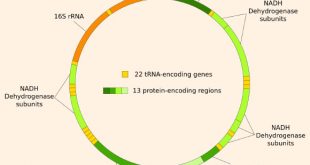
A new study published in the journal PLoS Genetics has confirmed a genetic link between mitochondrial DNA, which is passed on from the mother, and some forms of autism spectrum disorder. Structure of the human mitochondrial genome. Image credit: Shanel / CC BY-SA 3.0. Mitochondria contain their own genome, the …
Read More »Ten New Genetic Regions Linked to Human Reproductive Behavior
A large genome-wide association study of more than 560,000 people has identified 10 new genetic regions associated with the number of children we have during the course of our life, and the age at which we have our first child. Nicola Barban et al identified ten new areas of the …
Read More »Amur Leopard Genome Sequence Completed
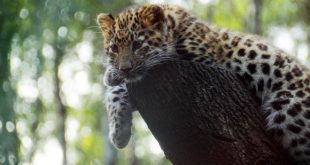
An international team of researchers has sequenced the complete genome of the Amur leopard (Panthera pardus orientalis), one of the most critically endangered big cats in the world. Amur leopard cub at Tallinn Zoo, Estonia. Image credit: Sini Merikallio / CC BY-SA 2.0. The scientists sequenced the Amur leopard genome …
Read More »Scientists Demonstrate that Diets of Organisms Can Affect Their DNA
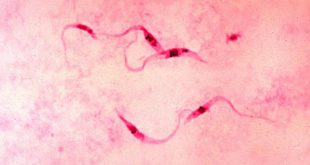
In a study on eukaryotic and bacterial parasites, a duo of researchers at the University of Oxford has detected differences in DNA sequences that could be attributed to the composition of their food. Trypanosoma cruzi, a parasite of the order Kinetoplastida. Image credit: Myron Schultz / CDC. “Organisms construct their …
Read More »Natural Selection Removed Many Neanderthal Genes from Human Genome, Scientists Say
According to a team of researchers at the University of California, Davis, only a very small percentage of Neanderthal DNA is present in the genomes of modern humans because, after interbreeding, natural selection removed large numbers of ‘bad’ Neanderthal gene variants. Reconstruction of a Neanderthal. Image credit: Neanderthal Museum. Neanderthals …
Read More »Study: Gene Implicated in Human Language Affects Vocal Communication in Mice
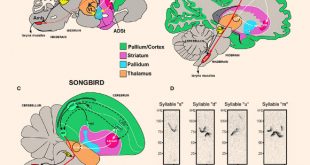
According to a new study published in the journal Frontiers in Behavioral Neuroscience, ultrasonic vocal communication in adult mice is affected by the same gene needed for speech in humans. Mouse song system anatomy and syllable types: (A) proposed anatomy of the rudimentary mouse forebrain vocal communication circuit; (B) comparison …
Read More »Researchers Decode Genome of Ginkgo biloba
A team of scientists in China has sequenced the genome of Ginkgo biloba, the oldest living tree species. Ginkgo biloba. Image credit: Darkone / CC BY-SA 2.0. Ginkgo biloba is a widely popular tree that is native to China and has been cultivated for well over a millennium. In Asia, …
Read More »