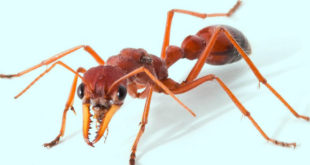
A team of researchers from the Universities of Queensland and Sydney, Australia, has performed the first comprehensive characterization of a polypeptidic ant venom, that of the giant red bull ant (Myrmecia gulosa), revealing toxins that stimulate the human nervous system to cause pain. The results are published in the journal …
Read More »Mediterranean Diet Reduces Risk of Incident Stroke: Study
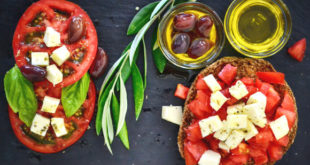
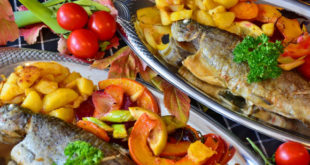
A new study reveals that a traditional Mediterranean-style diet reduces stroke risk among white adults who are at high risk of cardiovascular disease. Led by Norwich Medical School’s Professor Ailsa Welch, the study shows that the diet may be especially protective in women over 40 regardless of menopausal status or …
Read More »Skeletal Stem Cells Identified in Humans
Human skeletal stem cells capable of self-renewal and multilineage differentiation to bone, cartilage, and stroma have been isolated by Dr. Michael Longaker of the Stanford University School of Medicine and colleagues. This is the first time that skeletal stem cells, which had been observed in mice, have been identified in …
Read More »Study: Irregular Sleep Increases Cardiovascular and Cardiometabolic Risks
According to a new study, published in the journal Scientific Reports, older adults with irregular sleep patterns weigh more, have higher blood sugar and pressure, and a higher risk of cardiovascular disease; irregular sleepers also have increased stress and depression levels, psychiatric factors integrally tied to cardiometabolic disease. Older adults …
Read More »Spinal Implant and Physical Therapy Help Paralyzed Man Stand and Walk
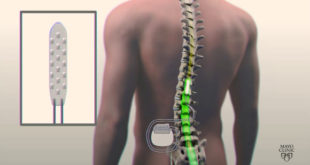
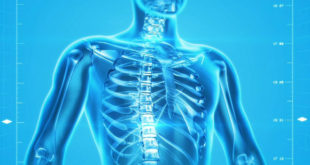
Jered Chinnock, 29, injured his spinal cord at the thoracic vertebrae in the middle of his back in a snowmobile accident in 2013. He was diagnosed with a complete loss of function below the spinal cord injury, meaning he could not move or feel anything below the middle of his …
Read More »Eating Healthier, Plant-Rich Diet May Help Prevent Depression
According to a comprehensive, systematic review of previous studies, a diet of vegetables, fruits, nuts, plant-based food and fish — typical of a Mediterranean diet — could help lower risk of depression. Adhering to a healthy diet, in particular a traditional Mediterranean diet, or avoiding a pro-inflammatory diet appears to …
Read More »Researchers Develop Wearable Paper-Based UV Sensors
An international team of researchers led by RMIT University has developed paper-based UV sensors that could help people manage vitamin absorption and avoid sun damage. UV active ink can be printed on paper making sensors cheap and easy to produce. Image credit: RMIT University. While humans do need some sun …
Read More »Artificial Sweeteners are Toxic to Gut Bacteria, Study Shows
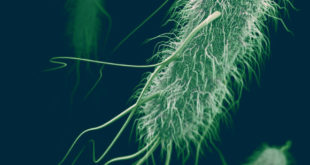
A new study, led by researchers at the Ben-Gurion University of the Negev, Israel, demonstrates the toxicity effect of artificial sweeteners on Escherichia coli (E. coli), a sensing model representative of the gut bacteria. This illustration depicts a 3D computer-generated image of a group of Escherichia coli. Image credit: James …
Read More »Reducing Levels of Mutated Protein Restores Cognitive Function in Mouse Model of Huntington’s Disease
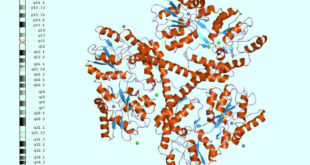
Huntington’s disease is a genetic, progressive disorder that causes uncontrolled movements, emotional problems, and loss of thinking ability. The disease is caused by mutated protein, called huntingtin, with symptoms appearing in adulthood and worsening over time. New research, reported in the journal Science Translational Medicine, suggests that lowering huntingtin levels …
Read More »Vitamin D Supplementation Does Not Improve Bone Health, Meta-Analysis Shows
According to a systematic meta-analysis published in The Lancet Diabetes Endocrinology, vitamin D supplementation does not prevent fractures or falls, or have clinically meaningful effects on bone mineral density, whether at high or low dose. Vitamin D supplementation does not prevent fractures or falls, or improve bone mineral density. “The …
Read More »